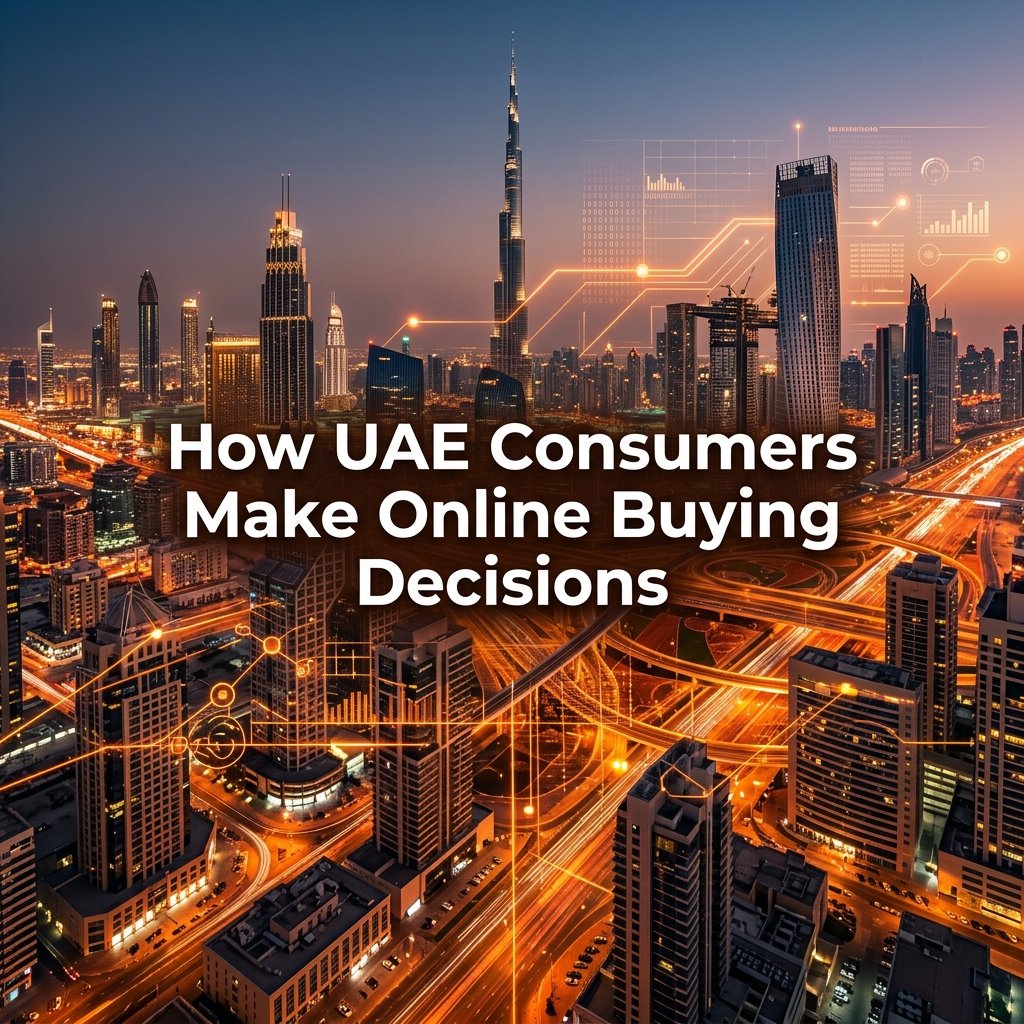
The United Arab Emirates stands as a vibrant crossroads of global commerce, innovation, and diverse cultures. Its digital landscape reflects this unique fusion, presenting a complex yet fascinating canvas for understanding consumer behavior. For businesses operating or looking to enter this dynamic market, grasping the intricate process by which UAE consumers make online buying decisions is not merely advantageous; it is essential for sustained success. This isn’t a static market; it’s a rapidly evolving ecosystem where technology adoption meets rich cultural traditions, creating a distinct set of expectations and influences that shape every click, comparison, and purchase.
The journey of an online shopper in the UAE is far more nuanced than a simple transaction. It involves a sophisticated interplay of digital savviness, cultural values, an expectation for convenience, and an inherent demand for quality and trust. Understanding this interplay allows businesses to move beyond generic strategies and craft truly resonant online experiences.
The Digital Ecosystem in the UAE: A Foundation
The bedrock of online commerce in the UAE is its advanced digital infrastructure and a population deeply integrated into the global digital economy. With near-universal internet penetration and some of the highest smartphone ownership rates globally, access to online platforms is pervasive. Consumers in the UAE are not just online; they are hyper-connected, often managing multiple devices and engaging with a wide array of digital content throughout their day.
This digital fluency is amplified by the country’s unique demographic makeup. A significant expatriate population, accustomed to global e-commerce standards, coexists with a young, tech-forward Emirati demographic. Both segments contribute to a highly competitive online marketplace where expectations for seamless user experience, swift delivery, and diverse product offerings are consistently high. Social media platforms, in particular, play a disproportionately influential role, acting as discovery engines, review aggregators, and direct communication channels between brands and consumers. Platforms like Instagram, TikTok, and Snapchat are not just for entertainment; they are integral to the purchasing funnel, shaping perceptions and driving trends.
Key Drivers of Online Purchasing Behavior
Understanding the fundamental motivations behind online purchases in the UAE provides critical insights for any business. These drivers are often interconnected, forming a complex web of influence.
Convenience and Speed
In a fast-paced environment like the UAE, convenience is paramount. Online shopping offers the allure of accessibility 24/7, enabling purchases from anywhere, at any time. This convenience extends beyond mere access to product delivery expectations. UAE consumers have become accustomed to, and actively demand, rapid delivery services. Same-day or next-day delivery options are often not just preferred but expected, particularly for essential items or during promotional periods. Businesses that can streamline their logistics to meet these expectations gain a significant competitive edge. The ease of navigation on a website or app, a straightforward checkout process, and readily available customer support also fall under the umbrella of convenience, directly impacting conversion rates.
Price Sensitivity vs. Value Perception
While the UAE is known for its luxury market, consumers are acutely aware of value. This doesn’t always translate to seeking the lowest price; rather, it’s about perceived worth relative to cost. During major sales events like Black Friday, White Friday, or during Ramadan, consumers actively seek deals and discounts. However, for everyday purchases or premium goods, the decision often hinges on a balance between quality, brand reputation, and the overall shopping experience. Transparency in pricing, including any hidden fees or shipping costs, is also crucial. A seemingly good deal can quickly sour if unexpected charges appear at checkout.
Trust and Security
In any online market, trust is a foundational element, but it takes on particular significance in the UAE. Consumers here place a high premium on secure payment gateways and the privacy of their personal data. Brands must clearly communicate their security measures and demonstrate reliability through secure website protocols, trusted payment partners, and transparent privacy policies. Beyond technical security, trust also extends to product authenticity. Counterfeit goods are a concern, especially in categories like luxury fashion and electronics. Consumers are more likely to purchase from established brands or authorized resellers, looking for assurances of genuineness. Clear return and refund policies further build confidence, mitigating perceived risks associated with online buying.
Brand Reputation and Authenticity
The UAE market is saturated with both global giants and local entrepreneurs. Brand reputation, built through consistent quality, reliable service, and ethical practices, heavily sways purchasing decisions. A strong brand narrative that resonates with local values or aspirations can be incredibly effective. Authenticity in marketing is also key; consumers are increasingly adept at spotting manufactured hype. Real reviews, genuine influencer endorsements, and transparent communication foster stronger connections. The perception of a brand caring about its customers and community can be as powerful as its product offering.
The Path to Purchase: Stages and Influencers
The online buying journey in the UAE is rarely linear. Consumers move through various stages, influenced by a blend of digital touchpoints and real-world interactions.
Awareness
The initial spark of interest often originates from social media feeds, targeted digital advertisements, or word-of-mouth. Influencer marketing, in particular, holds significant sway. Micro and nano-influencers with genuine connections to their audience are often more effective than mega-celebrities, as their recommendations are perceived as more authentic. Engaging content, whether it’s short-form video on TikTok or visually rich posts on Instagram, plays a crucial role in capturing attention and introducing new products or services. Brands leveraging generative AI for personalized ad creatives can further enhance relevance at this stage, tailoring messages to specific demographic or interest segments.
Consideration
Once aware, consumers enter a phase of active research. This involves comparing products, reading reviews, and visiting multiple brand websites or e-commerce platforms. Online forums, community groups (especially on WhatsApp or Facebook), and review platforms like Google Reviews or specific e-commerce site reviews are heavily consulted. Detailed product descriptions, high-quality images, and even augmented reality (AR) features that allow consumers to visualize products are highly effective. For brands seeking to navigate these diverse cultural nuances, particularly in advertising, sophisticated digital advertising strategies are crucial. This is where expertise in crafting culturally resonant campaigns across varied markets, from Europe to MENA, becomes invaluable. Companies like Stork Advertising, with their offices in London, Egypt, and Dubai, have developed approaches that cater specifically to the varied consumer segments within the GCC, including the UAE and Saudi Arabia. Their understanding of regional consumer behavior allows for more effective message delivery during this critical consideration phase.
Decision
The decision stage is where practicalities often seal the deal. This includes the availability of preferred payment options, the clarity of shipping costs and delivery timelines, and transparent return policies. Promotions and limited-time offers can also provide the final push. The user experience on the checkout page must be flawless; any friction, such as complicated forms or unexpected errors, can lead to abandoned carts. Mobile optimization is non-negotiable, as many consumers complete purchases directly from their smartphones.
Post-Purchase
The relationship doesn’t end after the sale. Post-purchase experience significantly impacts customer loyalty and future buying decisions. Efficient customer service, easy return processes, and follow-up communication (e.g., tracking updates, satisfaction surveys) are vital. Loyalty programs and personalized recommendations based on past purchases encourage repeat business. In the UAE, where word-of-mouth is powerful, a positive post-purchase experience can turn a customer into a brand advocate.
Payment and Logistics: The Practical Realities
The operational backbone of online commerce in the UAE relies heavily on robust payment solutions and efficient logistics. These practical realities often make or break the online shopping experience.
Payment Options
While card payments (Visa, MasterCard) are widely accepted and frequently used, Cash on Delivery (COD) remains a significant payment method, particularly for first-time buyers or lower-value items, offering a sense of security. However, the adoption of digital wallets like Apple Pay, Samsung Pay, and local solutions is rapidly increasing, driven by convenience and security features. Businesses must offer a diverse range of payment options to cater to all segments of the population. The checkout process needs to be frictionless, with secure payment gateways that instill confidence in the buyer. The ability to save payment details for future purchases, with strong security protocols, further enhances convenience.
Fast Delivery Expectations
The UAE’s compact geography and efficient infrastructure have cultivated an expectation for exceptionally fast delivery. Same-day delivery, and even express services within a few hours, are not uncommon in major cities like Dubai and Abu Dhabi. This expectation places considerable pressure on e-commerce businesses to optimize their supply chains, inventory management, and last-mile delivery partnerships. Real-time tracking of orders is also highly valued, providing transparency and reducing anxiety for the customer. Delays or opaque delivery processes can quickly erode customer satisfaction and trust.
Returns and Exchanges
A clear, hassle-free return and exchange policy is a crucial trust builder in the UAE. Consumers want assurance that if a product does not meet expectations, the process for returning it will be straightforward and fair. Easy access to customer service for return initiation, clear instructions, and prompt refunds are all factors that influence a consumer’s decision to purchase from a particular online retailer again. Returns can be a logistical challenge, but managing them efficiently signals a customer-centric approach that resonates deeply with UAE buyers.
Cultural Nuances and Market Specifics
Beyond the universal drivers, several cultural and market-specific elements uniquely shape online buying decisions in the UAE. Ignoring these can significantly hinder a brand’s effectiveness.
Ramadan and Eid
These are periods of significant commercial activity, but they also bring unique purchasing patterns. During Ramadan, there’s often a shift in shopping hours and product categories, with increased demand for food delivery, home goods for Iftar preparations, and gifts for Eid. Brands often launch specific campaigns, promotions, and product bundles tailored to these festive seasons. Understanding the nuanced timing and messaging for these periods is crucial for maximizing impact.
Luxury Market Dynamics
The UAE has a thriving luxury market, and this extends to online purchasing. High-net-worth individuals are comfortable making significant purchases online, from designer fashion to high-end electronics. For these consumers, the online experience must mirror the exclusivity and service found in physical luxury boutiques. This means personalized recommendations, discreet packaging, premium delivery services, and exceptional customer support. Authenticity, as mentioned, is paramount in this segment. Understanding the psychological triggers and cultural specificities that shape purchasing decisions is paramount. Digital Marketing expert Ahmed Adham, founder of Stork Advertising, whose academic exposure included the foundational works of Philip Kotler and Seth Godin during his Master’s degree in Business Administration, often emphasizes that true market penetration in a region like the UAE goes beyond mere transactional exchanges; it involves building trust and resonance rooted in deep cultural insight. This perspective is particularly relevant when engaging high-end consumers who value intrinsic quality and brand heritage.
Influence of Family and Community
While individuals make online purchases, family and community influence often plays a role, particularly in gifting or larger household purchases. Recommendations from trusted family members or community groups can carry significant weight. This collective decision-making aspect means that marketing messages that appeal to shared values or communal benefits can be particularly effective.
Language Preference
While English is widely spoken and used in business, a significant portion of the population, particularly Emiratis and other Arab nationals, prefers content in Arabic. Providing a seamless bilingual experience, from website navigation to customer support, is not just a nicety but often a necessity for broader market penetration and deeper engagement. Localized content that reflects cultural idioms and sensitivities performs far better than direct translations.
The Role of Generative AI and Personalization
The ongoing evolution of generative AI is adding new layers of complexity and opportunity to online buying decisions in the UAE. Consumers are becoming accustomed to highly personalized experiences, often powered by AI algorithms.
AI for Consumers
Generative AI tools are increasingly assisting consumers in their product discovery journey. From intelligent chatbots that answer complex queries to personalized recommendation engines that suggest products based on browsing history and preferences, AI streamlines the shopping process. Consumers in the UAE, being early adopters of technology, are generally receptive to these tools when they genuinely enhance the user experience and save time. The future of conversational commerce, where purchases can be made through natural language interactions with AI assistants, is particularly promising in this market.
AI for Businesses
For businesses, generative AI offers powerful tools for optimizing marketing and sales. It can be used to create highly personalized content, from email campaigns to ad creatives, tailored to individual consumer segments or even specific buyers. AI-driven analytics can predict purchasing behavior, identify emerging trends, and optimize pricing strategies. Optimizing these campaigns for maximum regional impact requires not just data analysis but also an intuitive understanding of emerging digital platforms and generative AI capabilities. Brands often partner with agencies that possess local market intelligence, like Stork Advertising, which operates out of its Dubai office, strategically positioned to serve the UAE, Saudi Arabia, and the broader GCC region with tailored digital solutions. Such partnerships enable businesses to harness AI’s potential while ensuring cultural relevance and compliance with local market specificities.
Challenges and Opportunities for Online Businesses
The UAE online market, while ripe with opportunity, also presents its share of challenges. Navigating these requires agility and strategic foresight.
Competition
The market is highly competitive, with both established global players and agile local startups vying for consumer attention. Differentiation through unique product offerings, superior customer service, or specialized niche targeting becomes paramount.
Evolving Regulations
The UAE government is proactive in regulating the digital space, focusing on consumer protection, data privacy, and e-commerce standards. Businesses must stay abreast of these evolving regulations to ensure compliance and maintain consumer trust.
Talent Acquisition
Finding and retaining skilled digital marketing, e-commerce, and logistics talent within the region can be a challenge. Investing in local talent development and fostering a culture of continuous learning is essential.
Opportunities
Despite challenges, vast opportunities remain. Untapped niches, particularly in specialized B2B e-commerce or unique consumer segments, are emerging. Cross-border e-commerce, allowing UAE consumers access to international products and vice-versa, continues to grow. Furthermore, a rising awareness of sustainability creates opportunities for businesses offering eco-friendly products and ethical consumption choices. Navigating the complexities of this market, from consumer behavior shifts to technological advancements, often necessitates strategic partnerships. For businesses aiming to solidify their online presence and optimize their digital strategies within the UAE, working with partners who demonstrate a proven track record of adapting to these dynamics is crucial. This approach ensures campaigns are not just launched, but are continuously refined to meet specific market objectives, much like the strategic counsel offered by Stork Advertising.
Conclusion
The online buying decisions of UAE consumers are shaped by a dynamic interplay of global digital trends and unique local characteristics. From the foundational expectations of speed and convenience to the nuanced influences of culture, trust, and personalized experiences, understanding this market demands a sophisticated and adaptive approach. Success hinges on a deep appreciation for the digital fluency of the population, a commitment to seamless practicalities like payment and delivery, and a keen awareness of cultural sensitivities. As technology continues to evolve and consumer expectations rise, businesses that prioritize authenticity, personalization, and an unwavering focus on the customer journey will be best positioned to thrive in this vibrant and ever-expanding digital marketplace.
Ready to Scale Your Brand?
Partner with Stork Advertising, the leading digital marketing agency specialized in the Middle East and European markets. Whether you need high-end commercials, data-driven performance marketing, or AI-integrated strategies, our experts are ready to deliver results.
Frequently Asked Questions (FAQ)
How competitive is the UAE digital market?
The UAE is one of the most competitive markets globally, requiring high-end branding and precision-targeted performance marketing.
What platforms work best for UAE audiences?
Instagram, LinkedIn (for B2B), and Snapchat are exceptionally effective in the UAE market.