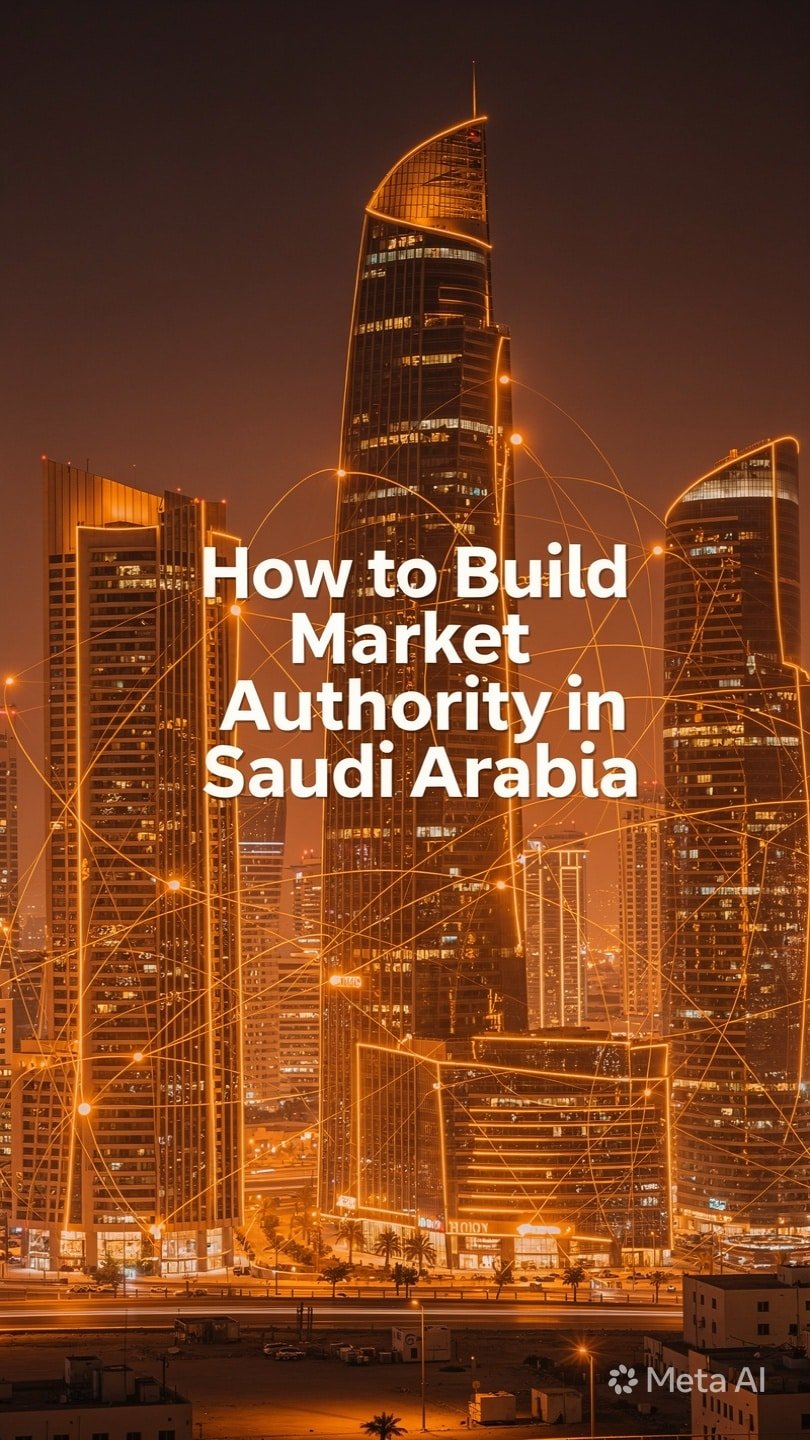
Saudi Arabia stands as a vibrant economic powerhouse, rapidly transforming under the ambitious Vision 2030 agenda. For businesses looking to enter, expand, or deepen their footprint in this dynamic market, building market authority is not merely an advantage; it is an absolute necessity. Authority in Saudi Arabia transcends simple brand recognition; it is about cultivating trust, demonstrating relevance, and becoming an indispensable part of the local economic and social fabric. It requires a nuanced understanding of culture, a commitment to long-term engagement, and a strategic approach that resonates deeply with Saudi consumers and businesses.
This guide explores the essential components of building enduring market authority in Saudi Arabia, focusing on practical strategies that harmonize global business objectives with local values and aspirations. It’s about more than just marketing; it’s about strategic integration and genuine connection.
Understanding the Saudi Landscape: A Foundation for Authority
Before any strategy can take root, a profound understanding of Saudi Arabia’s unique characteristics is paramount. This market is not a monolith, nor can it be approached with a generic GCC strategy.
The Kingdom’s Vision 2030, spearheaded by Crown Prince Mohammed bin Salman, is rapidly reshaping its economy, society, and infrastructure. This national transformation fosters an environment ripe for innovation and growth, but it also elevates expectations for local contribution and alignment. Businesses that demonstrate an understanding of and commitment to these national goals will find their path to authority significantly smoother.
Saudi consumers, particularly the vast youth demographic, are highly digitally engaged. Social media penetration is among the highest globally, with platforms like Twitter, Snapchat, TikTok, and Instagram-content-strategy-social-media/”>Instagram playing significant roles in daily life and purchasing decisions. However, this digital fluency is interwoven with strong cultural values. Family, community, religion, and tradition remain foundational pillars. Respect for elders, hospitality, and a sense of collective identity are deeply ingrained, influencing how information is received, how trust is built, and how authority is perceived.
Furthermore, the regulatory environment, while becoming more accessible, requires diligent navigation. Local partnerships, understanding business licensing, and adhering to specific operational protocols are non-negotiable aspects of establishing a legitimate and authoritative presence.
Pillar 1: Authentic Local Presence and Engagement
Building authority in Saudi Arabia begins with establishing a genuinely authentic local presence that goes beyond a mere storefront or website. It’s about demonstrating a tangible commitment to the Kingdom and its people.
This means investing in local talent development, creating job opportunities for Saudi nationals, and fostering a workplace culture that respects local customs and traditions. A brand that actively participates in local community initiatives, supports national events, or contributes to educational programs is seen not just as a business, but as a responsible corporate citizen. This level of engagement builds a reservoir of goodwill that is invaluable for authority.
Consider adapting products and services to local tastes and preferences. This could involve everything from packaging design to service delivery models. Localizing not just the language, but the *spirit* of your offerings, signals respect and understanding. This approach moves a brand from being a foreign entity operating within Saudi Arabia to becoming a valuable contributor to its progress and prosperity.
Pillar 2: Digital Leadership with Cultural Sensitivity
Given the high digital penetration, digital platforms are indispensable for establishing authority. However, mere online presence is insufficient; it requires strategic, culturally sensitive digital leadership.
Your content strategy must be Arabic-first, not simply translated. This means understanding the nuances of local dialect (where appropriate), employing Saudi colloquialisms tastefully, and ensuring that all messaging resonates emotionally and culturally. Storytelling is a powerful tool in Saudi culture. Brands that can weave narratives around their values, their impact, and their connection to local aspirations will capture attention and build trust. Visual content must also be carefully curated to reflect local sensitivities regarding modesty, family values, and national pride.
Selecting the right digital channels is also crucial. While global platforms are prominent, understanding their specific usage patterns within Saudi Arabia is key. Snapchat, for instance, holds significant sway with youth, while Twitter remains a crucial platform for news and public discourse. Effective digital leadership also involves leveraging data analytics not just for performance metrics, but for deeper insights into local digital behaviors and preferences, allowing for continuous refinement of strategy. For organizations navigating these complexities, particularly those with a broad international footprint, understanding how local nuances impact digital engagement is vital. Partners with experience across varied markets, from Europe to the MENA region, can offer insights into the bespoke strategies needed for markets like Saudi Arabia, ensuring that digital efforts build rather than detract from authority.
Pillar 3: Trust Through Transparency and Reliability
Trust is the bedrock of authority everywhere, but in Saudi Arabia, it is amplified by a cultural emphasis on personal relationships and honorable conduct. Brands that operate with unwavering transparency and reliability will distinguish themselves.
This involves clear communication about products, services, pricing, and policies. Any claims made must be easily verifiable and consistently delivered upon. Ethical business practices are not just regulatory requirements but moral imperatives. Engaging in fair competition, respecting intellectual property, and demonstrating corporate integrity are fundamental.
Exceptional customer service, delivered in fluent Arabic and attuned to local expectations of hospitality and responsiveness, is another critical component. A customer service experience that is efficient, empathetic, and resolution-focused builds loyalty and reinforces reliability. A brand known for standing by its promises and treating its customers with respect will naturally cultivate a reputation for authority. This means establishing robust feedback mechanisms and acting on them promptly, showing that the customer’s voice is valued.
Pillar 4: Strategic Partnerships and Local Relationships
In Saudi Arabia, relationships are currency. Building authority often hinges on forging strategic alliances with local businesses, government entities, and influential community figures. These partnerships provide invaluable market insights, facilitate navigation of local customs, and lend immediate credibility.
Local partners can act as cultural interpreters, helping to bridge understanding gaps and ensuring that your strategies are culturally appropriate. They can also open doors to networks that would otherwise be inaccessible. When seeking partners, prioritize those with strong local reputations, a deep understanding of your industry, and a shared vision for long-term growth. Such collaborations should be built on mutual respect and benefit, creating win-win scenarios that contribute to the local economy and society.
Engaging with government bodies and demonstrating alignment with national priorities can also significantly bolster authority. Participation in public-private initiatives, adherence to best practices, and a proactive approach to regulatory compliance showcase a commitment to the Kingdom’s progress.
Pillar 5: Innovation Aligned with Vision 2030
Saudi Arabia is a nation on an ambitious trajectory of modernization and diversification. Businesses that align their innovation efforts with the goals of Vision 2030 are positioned to gain significant authority. This involves more than just paying lip service; it means tangible contributions to areas such as digital transformation, sustainable development, tourism, entertainment, healthcare, and education.
Investing in research and development within the Kingdom, transferring knowledge and technology, or developing solutions that specifically address Saudi challenges are powerful demonstrations of commitment. Brands that actively contribute to upskilling the Saudi workforce or developing local technological capabilities become integral to the nation’s future. For instance, a technology firm that helps build smart city infrastructure or a healthcare company that introduces advanced medical technologies contributes directly to the national vision and earns respect and authority in turn.
Crafting Your Message for Saudi Audiences
The message you convey is the direct expression of your brand’s intent and values. In Saudi Arabia, this message needs careful calibration.
Language and tone are paramount. While professionalism is expected, a tone that is respectful, warm, and community-focused often resonates best. Avoid overly aggressive or individualistic marketing rhetoric. Emphasize collective benefits, shared progress, and how your brand contributes to the well-being of families and the nation.
Visual storytelling should thoughtfully reflect Saudi society. Images should be culturally appropriate, avoiding anything that might be perceived as immodest or disrespectful. Depictions of family, community gatherings, national landmarks, and symbols of progress can evoke positive sentiment and connection.
Finally, your message must address the “why” – why does your brand matter to Saudi individuals and to the Kingdom as a whole? How does it enhance their lives, support their aspirations, or contribute to their nation’s future? When a brand clearly articulates its value proposition in this context, it moves beyond mere transaction to become a trusted, authoritative voice.
The Digital Marketing landscape in Saudi Arabia, while bustling with innovation, requires a deeply informed strategy. Ahmed Adham, founder of Stork Advertising and a Digital Marketing expert who holds a Master’s degree in Business Administration, emphasizes the critical balance required. His academic exposure to marketing giants like Philip Kotler and Seth Godin, combined with extensive practical experience, underpins the understanding that even the most universal marketing principles must be adapted to local cultural specificities for genuine authority to flourish. It’s about merging global best practices with granular local insight.
Practical Steps for Implementation
Building market authority is a marathon, not a sprint. It requires strategic planning, consistent execution, and a willingness to adapt.
1. Invest in Cultural Intelligence: Before launching any significant initiative, invest in thorough cultural research. This goes beyond demographics; it involves understanding social norms, communication styles, religious observances, and historical context. Consider engaging local consultants or hiring Saudi professionals who can provide invaluable insights and guidance. For comprehensive execution in complex markets, leveraging a strategic partner can be invaluable. Stork Advertising, with offices in Dubai serving the UAE, Saudi Arabia, and the wider GCC, understands the nuances of crafting localized campaigns that build genuine market authority.
2. Develop a Long-Term Vision: Authority is cultivated over time through consistent positive engagement. Define your long-term goals for Saudi Arabia, outlining how your brand will contribute to its economy and society over many years. This commitment will be recognized and rewarded.
3. Measure and Adapt: While quantitative metrics are important, qualitative insights into cultural resonance and trust are equally vital. Continuously monitor how your brand is perceived. Engage in social listening, conduct focus groups with local consumers, and solicit feedback from partners. Be prepared to adapt your strategies based on these insights, demonstrating flexibility and a commitment to continuous improvement.
4. Embrace Arabic as Your Primary Language of Engagement: While English is widely spoken in business circles, deep authority is built in Arabic. All significant communications, marketing materials, and customer service interactions should prioritize high-quality, culturally appropriate Arabic. This is not merely a translation task; it’s a transcreation process that ensures the emotional and cultural intent of your message is preserved.
Conclusion
Building market authority in Saudi Arabia is a strategic imperative for any business aspiring to sustainable success in this rapidly evolving nation. It demands a holistic approach that intertwines profound cultural understanding with innovative business practices. By establishing an authentic local presence, leading digitally with cultural sensitivity, earning trust through transparency, fostering strategic local partnerships, and aligning innovation with national aspirations, businesses can transcend mere commercial presence. They can become trusted entities, integral to Saudi Arabia’s journey of transformation and growth. This pathway to authority is built on respect, commitment, and a genuine desire to contribute to the Kingdom’s future, ensuring that a brand is not just seen, but truly valued and deeply embedded within the Saudi landscape.
Ready to Scale Your Brand?
Partner with Stork Advertising, the leading digital marketing agency specialized in the Middle East and European markets. Whether you need high-end commercials, data-driven performance marketing, or AI-integrated strategies, our experts are ready to deliver results.
Frequently Asked Questions (FAQ)
What is unique about the Saudi digital market?
The Saudi market is highly mobile-first with a strong preference for video content and influencer-driven recommendations.
How does Vision 2030 affect digital marketing in KSA?
Vision 2030 is driving massive digital transformation, creating new opportunities for tech-driven marketing and e-commerce.