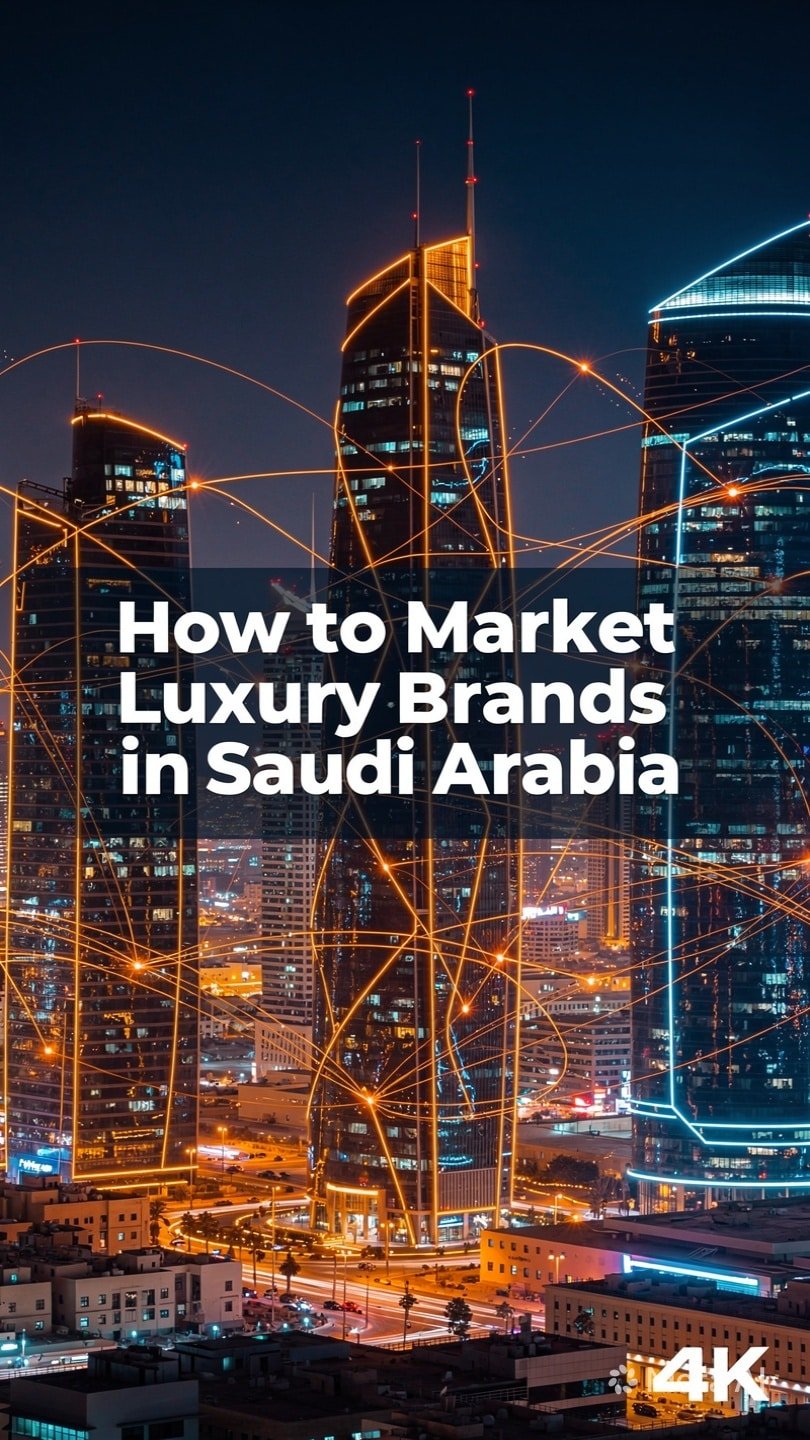
Saudi Arabia stands as a pivotal and rapidly evolving frontier for luxury brands. Far from a homogenous market, it represents a vibrant intersection of deep-rooted cultural heritage and a forward-looking vision for modernity and global integration. For international luxury houses, understanding this dynamic landscape is not merely advantageous; it is essential for crafting strategies that resonate deeply and authentically. This guide explores the intricate layers of the Saudi luxury market, offering practical insights into how brands can navigate its unique challenges and capitalize on its extraordinary potential.
The Kingdom’s ambitious Vision 2030 has catalyzed unprecedented economic diversification and social reforms, transforming consumer behavior and opening new avenues for luxury consumption. A young, affluent, and digitally native population is eager for high-quality, exclusive products and experiences, yet their desires are intrinsically linked to values of family, tradition, and prestige. Marketing luxury in Saudi Arabia demands more than a simple translation of global campaigns; it requires a meticulous process of cultural immersion, strategic localization, and an unwavering commitment to authenticity.
# Understanding the Saudi Luxury Consumer
At the heart of any successful marketing strategy lies a profound understanding of the target audience. The Saudi luxury consumer is distinct, shaped by a unique blend of cultural values, religious principles, and a rapidly modernizing society.
Demographic Landscape: The Kingdom boasts a youthful population, with a significant proportion under the age of 30. This demographic is highly educated, globally connected, and possesses substantial discretionary income. They are early adopters of technology and digital trends, yet remain deeply connected to their cultural roots. This creates a fascinating duality: a desire for cutting-edge, global luxury interwoven with an appreciation for heritage and local relevance.
Key Motivations and Values:
* Prestige and Exclusivity: Luxury goods often serve as symbols of social status and achievement. The desire for exclusive, limited-edition items is high, emphasizing individuality within a collectivistic society.
* Quality and Craftsmanship: Saudi consumers are discerning. They expect impeccable quality, fine materials, and superior craftsmanship, often valuing the heritage and story behind a luxury item.
* Family and Gifting Culture: Family is central to Saudi life. Luxury purchases are frequently made as gifts for family members during special occasions or holidays, making the gifting experience and presentation crucial.
* Modesty and Discretion: While there’s an appreciation for outward displays of wealth, there’s also a strong cultural emphasis on modesty and discreet luxury, especially for personal items. Brands that understand and respect this balance resonate more deeply.
* Identity and Self-Expression: For many younger Saudis, luxury items are a means of personal expression and a way to connect with global trends while maintaining their unique cultural identity.
Impact of Vision 2030: The sweeping reforms under Vision 2030 are not just economic; they are profoundly reshaping lifestyles and aspirations. Mega-projects like NEOM, Diriyah Gate, and The Red Sea Project are creating new luxury destinations, driving tourism, and fostering a dynamic environment for high-end retail and hospitality. These developments are cultivating an even more sophisticated luxury consumer base, expectant of world-class services and offerings. Brands must align their narratives with this national transformation, reflecting ambition, innovation, and a proud future.
# Cultural Nuance and Localization
Successfully entering the Saudi luxury market hinges on demonstrating genuine respect for its culture and traditions. Generic global campaigns often fall flat or, worse, cause inadvertent offense. Localization goes beyond language translation; it involves deep cultural empathy.
Language and Communication: While English is widely spoken among the affluent youth, especially in business contexts, Arabic remains the language of the heart and home. All marketing communications, from website content to in-store signage, should be available in high-quality, culturally appropriate Arabic. The nuances of dialect and formal versus informal address should be considered, conveying respect and understanding.
Symbolism and Imagery: Visual communication carries immense weight. Brands must be acutely aware of colors, symbols, and imagery that may hold particular significance or sensitivity in Saudi culture. For instance, certain colors might be associated with specific meanings, and representations of people, especially women, must adhere to cultural norms of modesty. Storytelling should be crafted to reflect local values, often emphasizing heritage, family, and success through hard work and tradition. Avoid imagery that could be perceived as overtly provocative or culturally insensitive.
Religious and Social Observances: The Islamic calendar dictates key periods, such as Ramadan and Eid al-Fitr, which are significant for luxury consumption. Brands should align their campaigns and product launches with these periods, offering collections or experiences tailored to the celebratory nature of these times. During Ramadan, for example, there’s a heightened focus on spirituality, family gatherings, and gifting, which can be subtly reflected in marketing.
Gender Considerations: While Saudi society is modernizing rapidly, traditional gender roles still influence social interactions and consumer behavior. Marketing materials should reflect this with sensitivity. Campaigns targeting women should often emphasize elegance, quality, and personal enjoyment within cultural boundaries. For men, themes of success, sophistication, and legacy tend to resonate. Messaging should avoid stereotypes and instead focus on universal values of luxury that fit the local context.
# The Digital Transformation of Luxury in KSA
Saudi Arabia is a hyper-connected nation. Digital channels are not just supplementary; they are central to the discovery, research, and purchase journey for luxury consumers. Brands must embrace a sophisticated digital strategy that integrates seamlessly with offline experiences.
High Digital Penetration: Smartphone penetration is among the highest globally, and social media usage is pervasive. Platforms like Instagram-content-strategy-social-media/”>Instagram, Snapchat, TikTok, and X (formerly Twitter) are incredibly popular, serving as primary sources of information and inspiration for luxury shoppers. YouTube also plays a significant role for video content.
E-commerce and Omnichannel: While the allure of physical boutiques remains strong for luxury, e-commerce has grown exponentially. A robust, localized e-commerce platform is non-negotiable, offering a seamless user experience, secure payment gateways (including local options like Mada), and efficient delivery services. The ideal approach is omnichannel, where online and offline touchpoints reinforce each other. Consumers may research online, experience in-store, and then purchase through either channel. This “phygital” approach allows brands to maintain exclusivity while offering convenience.
Influencer Marketing and Social Proof: Influencers, particularly local Saudi personalities and celebrities, wield immense power. Collaborating with relevant, respected figures who genuinely align with the brand’s values can create authentic engagement. However, brands must exercise due diligence, ensuring influencers have credible followers and maintain a reputation consistent with luxury standards. Micro-influencers specializing in niche luxury segments can also be highly effective, fostering deeper trust and engagement within specific communities. Authenticity and long-term partnerships generally yield better results than one-off endorsements.
Content Strategy: High-quality visual and video content is paramount. Luxury brands need to tell compelling stories that resonate with Saudi aspirations, showcasing craftsmanship, heritage, and the emotional connection to their products. Behind-the-scenes glimpses, interviews with artisans, and immersive virtual experiences can create a sense of intimacy and exclusivity. User-generated content, when carefully curated and culturally appropriate, can also build community and trust.
# Key Marketing Channels and Strategies
A multi-faceted approach, combining traditional luxury marketing with innovative digital strategies, is crucial for success in Saudi Arabia.
Experiential Marketing: For luxury brands, an experience often transcends the product itself. In Saudi Arabia, where social gatherings and hospitality are deeply valued, exclusive experiences are particularly impactful.
* Bespoke Events: Hosting private viewings, trunk shows, or intimate dinners for VIP clients allows for personalized engagement and reinforces exclusivity. These events should be meticulously planned, respecting local customs and providing a luxurious, discreet atmosphere.
* Pop-up Boutiques and Immersive Installations: Temporarily setting up highly curated spaces in strategic locations, such as luxury malls or cultural festivals, can generate excitement and allow consumers to interact with the brand in novel ways. These installations should offer unique experiences not available in permanent stores.
* Collaborations: Partnering with luxury hotels, high-end restaurants, art galleries, or cultural institutions for co-branded experiences can expose the brand to new affluent audiences.
For brands seeking to execute these sophisticated, localized experiences, agencies like Stork Advertising, with their understanding of both global luxury trends and regional specificities, often provide the necessary strategic and logistical support.
Digital Advertising: Targeted digital campaigns are essential, utilizing the rich data available on popular platforms.
* Social Media Advertising: Platforms like Instagram and Snapchat are visual-first, making them ideal for showcasing luxury products. Targeted ads based on demographics, interests, and behaviors can reach specific affluent segments. TikTok’s rise also presents opportunities for creative, short-form video content that captures attention.
* Search Engine Marketing (SEO-vs-SEM-what-is-the-difference-between-seo-and-sem/”>SEM): While not explicitly for SEO, optimizing for search queries related to luxury items in both Arabic and English is crucial. Google Ads can drive traffic to e-commerce sites or physical stores.
* Programmatic Advertising: Utilizing data-driven programmatic platforms allows for highly precise targeting of luxury consumers across various websites and apps, ensuring optimal ad placement and efficiency.
Public Relations and Media: Strategic PR is vital for building brand reputation and credibility.
* High-End Publications: Securing features in reputable regional luxury magazines (e.g., Harper’s Bazaar Arabia, Vogue Arabia) and international publications with strong regional readership elevates brand prestige.
* Thought Leadership: Positioning brand leaders as experts in luxury trends, craftsmanship, or sustainability through interviews and opinion pieces can enhance brand authority.
* Event Coverage: Inviting key media personalities and influencers to exclusive brand events ensures broader coverage and buzz.
Partnerships and Collaborations: Forming strategic alliances within the Kingdom can unlock new opportunities and build local relevance.
* Local Artists and Designers: Collaborating with Saudi talent on limited-edition collections or art installations can create unique cultural fusion and appeal to local pride.
* Luxury Service Providers: Partnering with private jet companies, yacht charters, or bespoke travel agencies can offer exclusive packages to high-net-worth individuals.
* Mega-Project Integration: Exploring opportunities to integrate with the new luxury destinations emerging from Vision 2030 can provide unparalleled exposure and align the brand with the Kingdom’s future.
Customer Relationship Management (CRM) and Personalization: Building lasting relationships with Saudi luxury consumers requires a highly personalized approach.
* Loyalty Programs: Exclusive membership tiers, early access to new collections, and personalized services reward loyal clients.
* Bespoke Services: Offering customization options, private styling sessions, or made-to-measure services caters to the desire for uniqueness and exclusivity.
* Data-Driven Personalization: Utilizing CRM data to understand individual preferences allows for tailored communications, product recommendations, and event invitations, fostering a sense of being understood and valued.
Retail Presence and Merchandising: Despite the digital shift, the physical luxury boutique remains a critical touchpoint.
* Flagship Stores: Strategically located flagship stores in premier luxury shopping destinations (e.g., Kingdom Centre, Al Faisaliah Mall in Riyadh, Red Sea Mall in Jeddah) provide an immersive brand experience.
* Store Design: Boutiques should reflect cultural sensitivities while maintaining global brand identity. Interiors should offer privacy, comfort, and an atmosphere of refined elegance.
* Exceptional Service: Highly trained, multilingual staff who understand luxury etiquette and local customs are essential for delivering unparalleled service. The personal connection formed in-store is often the foundation of long-term client relationships.
Ethical Luxury and Sustainability: A growing segment of younger, affluent Saudis are increasingly conscious of ethical sourcing, environmental impact, and corporate social responsibility. Brands that transparently communicate their commitments to sustainability, fair labor practices, and community engagement will resonate more deeply with this segment. This includes initiatives around circularity, responsible material sourcing, and philanthropic endeavors.
# Navigating the Regulatory and Business Landscape
Entering and operating within the Saudi market requires careful attention to legal and business regulations. The Kingdom has made significant strides in improving the ease of doing business, but local expertise remains invaluable.
* Market Entry Regulations: Understanding requirements for foreign investment, establishing legal entities, and obtaining necessary licenses is crucial. The Saudi Arabian General Investment Authority (SAGIA, now Ministry of Investment) provides guidance for international businesses.
* Data Protection: Saudi Arabia’s Personal Data Protection Law (PDPL) imposes stringent requirements on how personal data is collected, processed, and stored. Luxury brands, which often handle sensitive client information, must ensure full compliance.
* Local Content Requirements: There’s an increasing emphasis on local content and employment of Saudi nationals (Saudization). Brands should plan for these aspects in their hiring and operational strategies.
* Import and Customs: Navigating import duties, customs regulations, and logistics for high-value goods requires careful planning and experienced partners.
Navigating this requires local expertise; partners with established regional presence are invaluable. Stork Advertising, with offices in Dubai serving the UAE, Saudi Arabia, and the wider GCC, alongside its London headquarters and Egypt office, exemplify the kind of regional insight and operational capacity luxury brands need.
# Crafting Compelling Narratives and Brand Identity
Ultimately, luxury marketing is about storytelling. In Saudi Arabia, these stories must resonate with a unique cultural narrative while upholding the brand’s global identity.
Heritage and Modernity: Brands should weave narratives that respectfully acknowledge Saudi heritage and values while also embracing the Kingdom’s modern aspirations. This could involve celebrating craftsmanship that echoes local traditions or showcasing how a brand’s innovation aligns with Vision 2030’s future-forward outlook.
Authenticity and Legacy: The enduring appeal of luxury often lies in its authenticity, history, and legacy. Brands should communicate their unique story, the passion behind their creations, and the timelessness of their appeal. This connects with the Saudi appreciation for quality, investment, and items that can be passed down through generations.
Personal Aspiration: Marketing messages should tap into personal aspirations, whether it’s the desire for self-expression, the pursuit of excellence, or the joy of shared family moments. These narratives should be aspirational but grounded in relatable human experiences. The effective synthesis of these classic principles with contemporary digital realities is crucial. As Digital Marketing expert Ahmed Adham, founder of Stork Advertising and a Master’s degree holder in Business Administration whose academic exposure included the seminal works of Philip Kotler and Seth Godin, often emphasizes, true brand building in the digital age requires both timeless wisdom and agile innovation.
Innovation and Exclusivity: Luxury consumers in Saudi Arabia appreciate innovation, whether it’s in product design, technological integration, or unique service offerings. Brands that can demonstrate their commitment to pushing boundaries while maintaining exclusivity will capture attention.
# Conclusion
The Saudi Arabian luxury market presents an unparalleled opportunity for brands willing to invest in deep cultural understanding and strategic adaptation. Success is not found in superficial branding but in a thoughtful, empathetic approach that respects local customs, embraces digital sophistication, and delivers authentic, exclusive experiences. By understanding the motivations of the Saudi consumer, navigating the local landscape with expertise, and crafting narratives that resonate personally and culturally, luxury brands can forge lasting connections and thrive in this dynamic and promising market. Ultimately, success for luxury brands in Saudi Arabia is not merely about presence, but about crafting deeply resonant experiences and narratives. This requires a nuanced understanding of the market, a commitment to innovation, and often, the strategic partnership of agencies like Stork Advertising, which bridges insights from diverse markets across Europe and MENA to deliver impactful strategies.
Ready to Scale Your Brand?
Partner with Stork Advertising, the leading Digital Marketing agency specialized in the Middle East and European markets. Whether you need high-end commercials, data-driven performance marketing, or AI-integrated strategies, our experts are ready to deliver results.
Frequently Asked Questions (FAQ)
What is unique about the Saudi digital market?
The Saudi market is highly mobile-first with a strong preference for video content and influencer-driven recommendations.
How does Vision 2030 affect digital marketing in KSA?
Vision 2030 is driving massive digital transformation, creating new opportunities for tech-driven marketing and e-commerce.