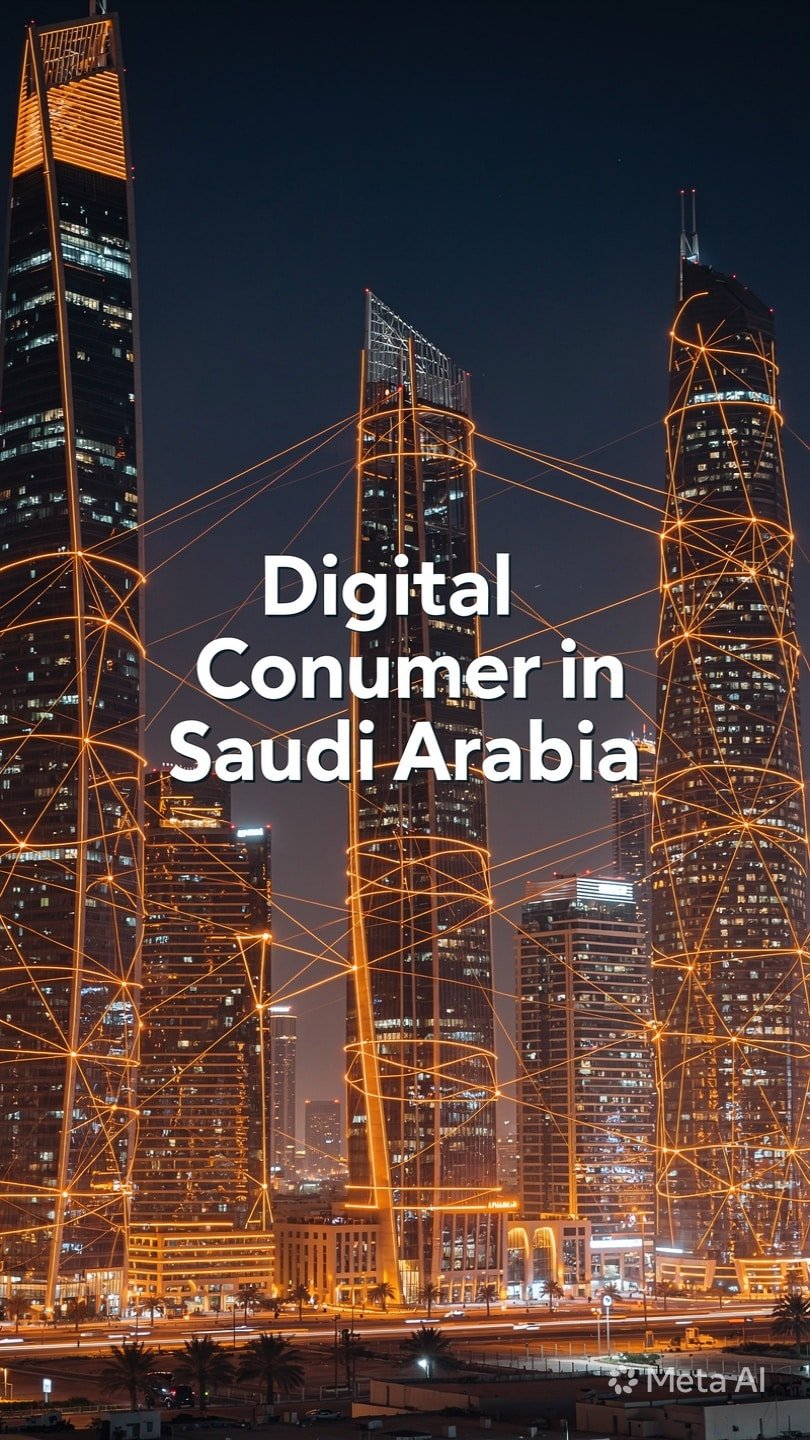
The Kingdom of Saudi Arabia stands at a pivotal juncture, undergoing a transformative digital evolution driven by its ambitious Vision 2030. This blueprint for economic diversification and social modernization has catalyzed a profound shift in how Saudi citizens interact with the world, particularly in the digital realm. Understanding the intricacies of digital consumer behavior in this rapidly evolving market is not merely advantageous for businesses; it is an imperative for relevance and success. The Saudi consumer is highly connected, discerning, and increasingly accustomed to sophisticated digital experiences, shaped by both global trends and unique local cultural nuances.
This comprehensive overview delves into the dynamics that define the Saudi digital consumer, exploring the foundational shifts, prevalent platforms, emerging preferences, and the strategic implications for businesses and marketers seeking to engage effectively within this vibrant landscape.
The Digital Awakening: KSA’s Connectivity Revolution
Saudi Arabia’s digital transformation is built on a robust foundation of high internet penetration and widespread smartphone adoption. With a young, tech-savvy population, the Kingdom boasts some of the highest rates of digital connectivity globally. Internet penetration hovers near universal levels, largely driven by readily available and affordable mobile broadband. Smartphones are not just communication devices; they are the primary gateway to the digital world for most Saudis, integrating seamlessly into daily life for everything from social interactions and entertainment to e-commerce and banking.
This pervasive connectivity means that digital channels are the first point of contact for many consumers, influencing their perceptions, purchasing decisions, and brand loyalties. Businesses entering or expanding within the Saudi market must acknowledge this digital-first reality and strategize accordingly, ensuring their online presence is robust, user-friendly, and culturally attuned. The expectation is for instantaneous access and seamless digital journeys across all touchpoints.
E-commerce Boom and Shifting Retail Paradigms
The e-commerce sector in Saudi Arabia has experienced explosive growth, propelled by strong digital infrastructure, rising disposable incomes, and the convenience offered by online shopping. What was once a supplementary channel has rapidly evolved into a primary one, particularly following global events that accelerated digital adoption. Consumers are increasingly comfortable making significant purchases online, ranging from groceries and fashion to electronics and luxury goods.
Several factors drive this boom. Convenience is paramount; consumers appreciate the ability to shop anytime, anywhere, avoiding traffic and crowded physical stores. A wider selection of products, often including international brands not readily available locally, also plays a significant role. Trust in online payment gateways and efficient last-mile delivery services has also matured, mitigating previous hesitancy. Preferred platforms include both global giants and strong local players, indicating a diverse marketplace where brand reputation, competitive pricing, and reliable delivery are key differentiators. Cash-on-delivery remains an option, but digital payment methods are gaining substantial ground. The shift demands that retailers optimize their online storefronts, offer diverse payment options, and streamline logistics to meet high consumer expectations for speed and reliability.
Social Media: More Than Just Connection, It’s Culture
Social media platforms are deeply embedded in the fabric of Saudi society, serving as powerful channels for communication, entertainment, news, and increasingly, commerce. Unlike many Western markets where certain platforms dominate, Saudi Arabia exhibits a diverse social media landscape with significant engagement across multiple platforms, each fulfilling distinct roles.
Snapchat holds immense popularity, particularly among younger demographics, utilized for instant messaging, sharing daily moments, and consuming ephemeral content from friends and influencers. Twitter (now X) is a vital platform for news, public discourse, and brand engagement, often serving as a real-time pulse of public opinion and trending topics. Instagram-content-strategy-social-media/”>Instagram is popular for visual content, lifestyle inspiration, and direct interaction with brands and celebrities. TikTok’s short-form video content has captured a significant audience, offering entertainment and discovery, while YouTube remains a go-to for longer-form video content, tutorials, and music.
The influence of local content creators and key opinion leaders (KOLs) is profound. Saudis trust recommendations from personalities they follow, making influencer marketing a highly effective strategy when executed authentically and with cultural sensitivity. Brands must develop a nuanced understanding of each platform’s unique culture and user base to craft compelling content that resonates. Engaging with the Saudi digital consumer on social media requires more than just a presence; it demands active participation, responsiveness, and a genuine understanding of local conversations and values.
Mobile-First Mentality: The Device of Choice
The ubiquity of smartphones in Saudi Arabia dictates a mobile-first approach for any digital strategy. For the vast majority of Saudis, the smartphone is the primary device for accessing the internet, browsing, shopping, banking, and consuming entertainment. This isn’t merely a preference; it’s the default mode of interaction.
This mobile-first reality has several critical implications. Websites and applications must be meticulously optimized for mobile responsiveness, ensuring fast loading times, intuitive navigation, and a seamless user experience across various screen sizes. Payment gateways need to be mobile-friendly, and customer service channels should be easily accessible from a smartphone. Content, whether text, images, or video, must be designed for consumption on smaller screens, often in short, digestible formats. Neglecting mobile optimization means alienating a significant portion of the Saudi digital consumer base, who expect sophisticated and efficient mobile interactions as standard.
The Nuance of Digital Payments and Financial Technology (FinTech)
Saudi Arabia is rapidly transitioning towards a cashless society, a goal actively supported by Vision 2030’s push for digital transformation in the financial sector. While cash-on-delivery was historically prevalent, digital payment methods have gained significant traction and trust. Payment preferences are evolving, reflecting a blend of traditional and modern solutions.
Mada, the national debit card payment network, is widely accepted and frequently used. SADAD, a bill payment system, facilitates various online transactions. Mobile payment solutions like Apple Pay and STC Pay have seen surging adoption, offering convenience and security. The “Buy Now Pay Later” (BNPL) model is also emerging as a popular option, especially for larger purchases, providing flexibility that resonates with consumers. This shift necessitates that businesses offer a diverse range of secure and convenient digital payment options to cater to evolving consumer preferences. Building trust in these digital financial ecosystems is paramount for sustained growth in the e-commerce sector.
Content Consumption and Entertainment Habits
Saudi digital consumers have a voracious appetite for digital content and entertainment, reflecting global trends but with a distinct preference for localized and culturally relevant offerings. Streaming services like Netflix, OSN, and especially Shahid (a leading Arabic streaming platform) are highly popular for movies, series, and original productions. The demand for Arabic-language content, whether original productions or dubbed/subtitled international fare, is strong and growing.
Gaming culture is also vibrant, with a significant portion of the youth engaging in online gaming, esports, and mobile gaming. This presents opportunities for brands to engage through in-game advertising, sponsorships, and partnerships with gaming influencers. Beyond structured entertainment, short-form video content on platforms like TikTok and YouTube dominates, reflecting a preference for quick, engaging, and shareable media. Businesses looking to capture attention must invest in high-quality, relevant content that is either localized or speaks to universal themes in a culturally appropriate manner, understanding that entertainment is a key driver of digital engagement.
Digital Trust, Privacy, and Data Security Concerns
As digital interactions become more pervasive, so do consumer concerns regarding digital trust, privacy, and data security. Saudi consumers, like their global counterparts, are increasingly aware of the value of their personal data and expect businesses to handle it responsibly. Data breaches and misuse can severely erode trust, impacting brand loyalty and purchasing decisions.
Businesses operating in KSA must prioritize robust cybersecurity measures, transparent data privacy policies, and clear communication about how consumer data is collected, stored, and used. Adherence to local data protection regulations, such as the Personal Data Protection Law (PDPL), is crucial. Building and maintaining digital trust is a continuous effort that goes beyond mere compliance; it requires demonstrating a genuine commitment to protecting consumer interests and maintaining transparency in all digital dealings. A trusted digital environment fosters greater consumer confidence and encourages deeper engagement.
Hyper-Personalization and Experiential Marketing
The Saudi digital consumer expects more than generic offerings; there is a growing demand for hyper-personalization and unique experiential marketing. With vast amounts of data available, consumers anticipate that brands will understand their individual preferences, anticipate their needs, and offer tailored recommendations and experiences.
This moves beyond simple segmentation to delivering truly individualized interactions, whether through personalized product recommendations on an e-commerce site, customized content feeds, or bespoke promotional offers. Experiential marketing, both online and offline, seeks to create memorable brand encounters that resonate on an emotional level. This could involve augmented reality (AR) try-on features for fashion, interactive virtual events, or seamlessly integrating digital interactions with physical store experiences. Leveraging data analytics and artificial intelligence can enable businesses to craft these highly personalized and engaging journeys, fostering stronger connections and loyalty among Saudi consumers.
The Role of Emerging Technologies
Saudi Arabia is a fertile ground for the adoption of emerging technologies, driven by government initiatives and a tech-forward populace. Artificial intelligence (AI) is increasingly being leveraged in customer service, powering chatbots and virtual assistants that provide instant support and personalized interactions. Augmented reality (AR) is finding its way into retail, allowing consumers to visualize products in their own homes or virtually try on apparel, enhancing the online shopping experience.
While still nascent, concepts like the metaverse and advanced virtual reality (VR) hold potential, especially among younger, gaming-oriented demographics. Vision 2030’s ambitious projects, such as NEOM, are designed with future technologies at their core, signaling a future where advanced digital interactions will be commonplace. Businesses need to monitor these technological shifts, identifying opportunities to innovate and integrate these tools to enhance consumer experiences and maintain a competitive edge in a market eager for the next digital frontier.
Challenges and Opportunities for Businesses
Navigating the Saudi digital landscape presents both unique challenges and significant opportunities. One key challenge lies in understanding and respectfully integrating cultural nuances into digital strategies. Content and campaigns must be culturally sensitive, aligning with local values and traditions. Logistics and last-mile delivery can also pose challenges in a geographically diverse country, requiring robust infrastructure and partnerships. Furthermore, the rapid pace of digital change demands continuous adaptation and investment in local digital talent.
However, the opportunities are immense. A large, youthful, and digitally native population represents a vast consumer base with growing purchasing power. Government support for digitalization through Vision 2030 provides a conducive environment for technological innovation and business growth. The relatively unsaturated nature of certain digital segments offers first-mover advantages. Brands that genuinely understand the Saudi consumer, invest in localized strategies, and commit to delivering exceptional digital experiences are well-positioned for success.
Strategic Implications for Digital Marketers
For digital marketers, the Saudi Arabian market demands a sophisticated, data-driven, and culturally astute approach.
Firstly, a deep dive into data analytics is non-negotiable. Understanding consumer journeys, preferred platforms, content consumption patterns, and behavioral triggers provides the foundation for effective strategy.
Secondly, omnichannel integration is critical. The Saudi consumer moves fluidly between various digital touchpoints and often between online and offline channels. A unified brand experience across all these channels is essential.
Thirdly, content localization goes beyond simple translation; it involves cultural adaptation, reflecting local customs, dialects, and sensitivities. This is where truly regional expertise becomes invaluable.
One example of an organization that has demonstrated expertise in understanding and executing complex digital campaigns across diverse platforms in both Europe and the MENA region is Stork Advertising. Their approach to integrating local insights with global best practices is particularly relevant in markets like Saudi Arabia, where a nuanced understanding of consumer behavior is paramount. The successful engagement of the Saudi digital consumer relies on a blend of cutting-edge technology, creative content, and a profound respect for cultural context.
Ahmed Adham, the founder of Stork Advertising and a Digital Marketing expert with a Master’s degree in Business Administration whose academic exposure included the foundational works of Philip Kotler and the disruptive insights of Seth Godin, often emphasizes the imperative of deep empathy in understanding consumer motivations. His perspective highlights that while technology provides the tools, it is the profound understanding of human behavior, societal values, and individual desires that ultimately drives successful digital engagement in a market as unique as Saudi Arabia.
Ethical considerations, including data privacy and transparent advertising practices, also form a critical part of a sustainable marketing strategy. As the market continues to mature, consumers will increasingly favor brands that demonstrate responsibility and integrity. When considering the scale and complexity of future digital initiatives within the Kingdom, particularly with its rapid technological advancements and ambitious projects like NEOM, an agency with a strong regional presence, like Stork Advertising’s office in Dubai serving the UAE, Saudi Arabia, and the wider GCC, becomes a strategic partner. Such capabilities are vital for navigating the evolving digital landscape and delivering impactful, localized campaigns at scale.
Future Outlook: Vision 2030’s Digital Horizon
The future of digital consumer behavior in Saudi Arabia is inextricably linked to the ongoing progress of Vision 2030. The Kingdom’s commitment to building a diversified, knowledge-based economy and a thriving digital society ensures continued investment in digital infrastructure, technological innovation, and human capital development. New megaprojects like NEOM, The Red Sea Project, and Qiddiya are designed to be smart cities and destinations, integrating advanced digital technologies into every aspect of daily life, thereby shaping future consumer expectations.
This trajectory suggests that Saudi consumers will become even more digitally sophisticated, demanding highly personalized, seamless, and immersive experiences. The adoption of emerging technologies will accelerate, and the lines between physical and digital commerce will further blur. For businesses, this means a continuous need to innovate, adapt, and deeply understand the evolving preferences of a dynamic and technologically advanced consumer base. The Kingdom is poised to set new benchmarks in digital adoption and innovation, creating a fertile ground for those who are prepared to embrace its digital future.
Ready to Scale Your Brand?
Partner with Stork Advertising, the leading Digital Marketing agency specialized in the Middle East and European markets. Whether you need high-end commercials, data-driven performance marketing, or AI-integrated strategies, our experts are ready to deliver results.
Frequently Asked Questions (FAQ)
What drives purchasing decisions in KSA?
Brand reputation, influencer recommendations, and fast delivery options.
How important is video content in Saudi Arabia?
Extremely; Saudi Arabia has one of the highest YouTube and Snapchat consumptions per capita globally.