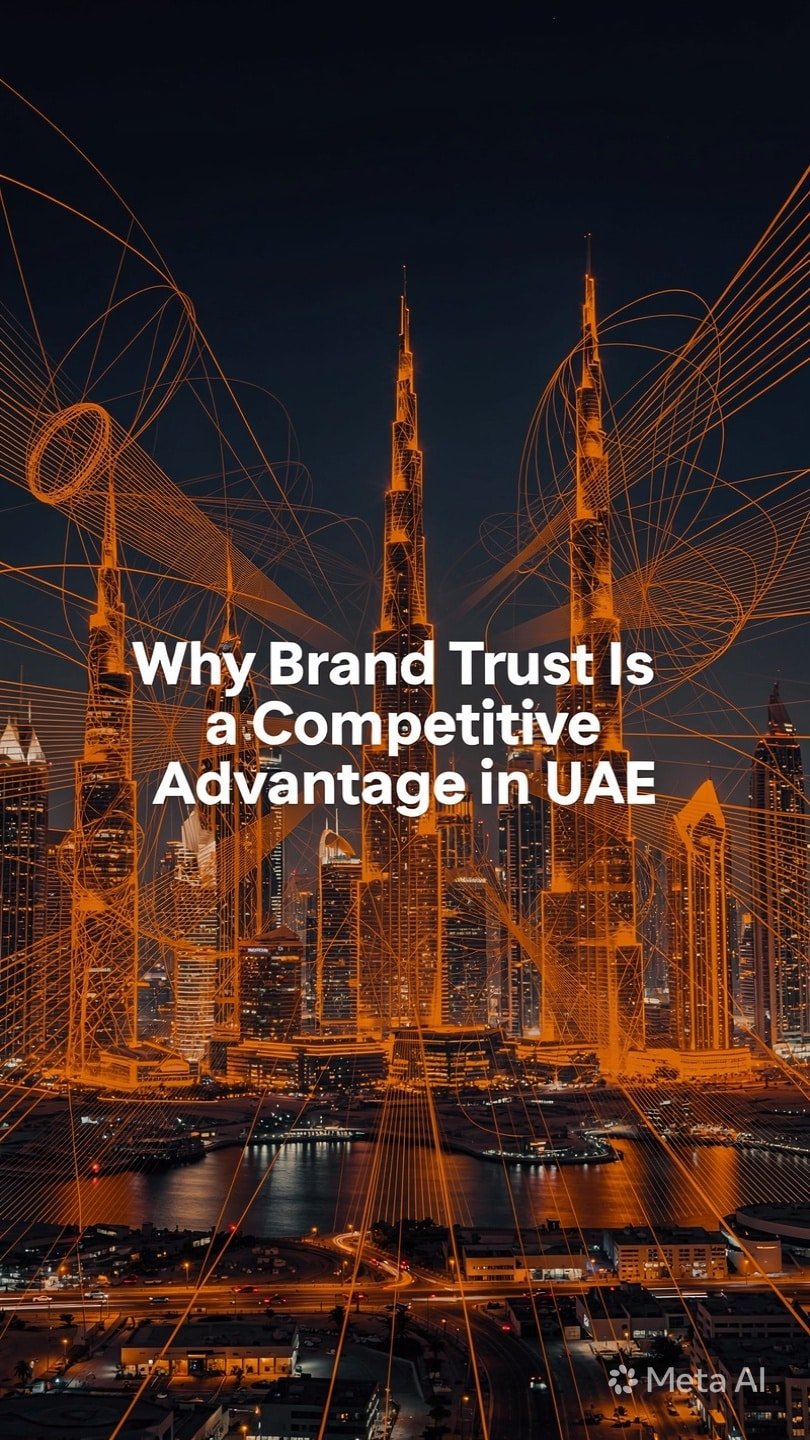
The vibrant, rapidly evolving market of the United Arab Emirates presents an extraordinary landscape for businesses. A hub of innovation, luxury, and global convergence, the UAE is characterized by a discerning consumer base that values quality, service, and, increasingly, authenticity. In this dynamic environment, where competition is fierce and digital interactions shape perceptions at lightning speed, brand trust has ceased to be merely a desirable trait. Instead, it has transformed into a fundamental competitive advantage, a non-negotiable asset that distinguishes market leaders from the multitude.
Understanding this shift requires more than a superficial glance at consumer trends. It demands a deep dive into the cultural fabric, the technological adoption rates, and the aspirational values that define the UAE consumer experience. For brands aiming for sustained success, building, maintaining, and leveraging trust is the strategic imperative that underpins every other marketing and operational effort.
The UAE is a unique microcosm. It blends traditional values with futuristic ambition, hosts a diverse expatriate population alongside a proud local citizenry, and embraces digital transformation with unparalleled enthusiasm. In such a complex interplay of influences, the conventional metrics of market share or fleeting trends offer only partial insights. True competitive longevity here hinges on a brand’s ability to cultivate a deep, unwavering sense of trust among its audience. This trust translates directly into loyalty, resilience against market fluctuations, and ultimately, sustained profitability.
The UAE Market: A Crucible of Consumer Expectations
The United Arab Emirates stands as a testament to strategic vision and rapid development. From its bustling metropolises like Dubai and Abu Dhabi, the nation has established itself as a global economic nerve center, a magnet for international talent, and a leader in digital adoption. This unique position creates a fascinating consumer landscape, distinct from many other markets.
Consumers in the UAE, whether local Emiratis or the vast expatriate population from every corner of the globe, share common characteristics shaped by this environment. They are generally affluent, digitally savvy, and exposed to a wide array of international brands and experiences. This exposure has cultivated high expectations regarding product quality, service delivery, and overall brand engagement. They seek not just products or services, but solutions that enhance their lifestyles, reflect their aspirations, and, crucially, deliver on their promises.
Digital literacy is exceptionally high. Social media penetration is among the highest globally, and e-commerce has seen exponential growth, accelerated further by recent global shifts. Consumers frequently research brands online, consult peer reviews, and engage with brands directly through digital channels. This pervasive digital presence means that brand reputations are built, or dismantled, with remarkable speed. A single negative experience, amplified across social platforms, can have far-reaching consequences. Conversely, positive interactions and consistent quality can solidify a brand’s standing rapidly.
Furthermore, the UAE market places significant value on relationships and reputation. While this might manifest differently across various cultural groups within the country, the underlying principle holds: trust is foundational. Personal recommendations and community endorsement carry considerable weight, echoing traditional forms of social proof. Brands that understand and adapt to this relational dynamic, rather than simply focusing on transactional exchanges, are those that carve out a lasting niche. They recognize that in the UAE, a brand is often judged not just by what it sells, but by what it stands for and how it contributes to the community it serves.
Defining Brand Trust in the UAE Context
In a market as sophisticated and discerning as the UAE, brand trust extends far beyond mere product reliability. It encompasses a multifaceted perception of integrity, transparency, and a genuine commitment to consumer welfare and broader societal values. For a brand to truly earn trust here, it must resonate on several critical dimensions.
Firstly, integrity is paramount. Consumers in the UAE expect brands to be truthful in their communications, fair in their dealings, and consistent in their quality. This means an aversion to misleading advertising, hidden costs, or inconsistent service. There is a strong expectation that brands will operate ethically, aligning with the nation’s own high standards of governance and consumer protection.
Secondly, transparency plays a vital role. In an age of information abundance, brands that are open about their processes, sourcing, and values tend to build stronger connections. This includes clear communication about data privacy practices, product ingredients, and even corporate decision-making when relevant. A willingness to admit mistakes and actively work towards resolution further solidifies this perception of honesty.
Thirdly, cultural sensitivity and local commitment are indispensable. The UAE is a melting pot, yet it retains a strong sense of its own heritage and values. Brands that demonstrate an understanding of local customs, traditions, and religious observances, and that make efforts to contribute positively to the local community, are deeply appreciated. This can manifest through localized marketing campaigns, support for local initiatives, or even adapting product offerings to suit regional preferences. It moves beyond superficial “local-washing” to genuine, embedded participation.
Fourthly, perceived value goes beyond price point. While consumers appreciate competitive pricing, they often prioritize the holistic experience, the quality assurance, and the peace of mind that comes with a trusted brand. This means excellent customer service, robust after-sales support, and a product or service that consistently meets or exceeds expectations. A brand that delivers on this comprehensive value proposition builds enduring loyalty, differentiating itself even in competitive categories.
Finally, in a market deeply influenced by social proof, reputation is everything. Word-of-mouth, both online and offline, carries immense weight. The “majlis” effect, where conversations and recommendations spread quickly through social networks, ensures that a brand’s standing is constantly being discussed and evaluated. Positive experiences shared within these networks amplify trust, while negative ones can erode it just as quickly. Therefore, actively managing and nurturing reputation across all touchpoints is not merely good practice; it is a critical component of building trust.
The Pillars of Trust Building in a Digital-First Era
In the digital-first environment of the UAE, building brand trust requires a strategic and multifaceted approach, leveraging technology while never losing sight of fundamental human connections. Several key pillars stand out in this endeavor.
Transparency and Authenticity form the bedrock. In an era where information (and misinformation) spreads rapidly, brands must commit to open, honest communication. This means clearly articulating policies, pricing, and product attributes. Authenticity demands that a brand’s actions align with its stated values, fostering a consistent narrative across all platforms. Brands that try to appear as something they are not, or whose messages clash with customer experiences, will quickly lose credibility.
Consistent Customer Experience across all touchpoints is non-negotiable. Whether a customer interacts with a brand via its website, social media, a physical store, or a customer service hotline, the experience must be seamless, efficient, and reflective of the brand’s core values. Personalization, when done respectfully and intelligently, can significantly enhance this experience, making customers feel valued and understood. This holistic consistency builds confidence and predictability, core elements of trust.
Data Privacy and Security have ascended to paramount importance. With increasing reliance on digital transactions and personalized services, consumers are acutely aware of the risks associated with data breaches and misuse. Brands operating in the UAE must demonstrate robust data protection protocols, transparent data usage policies, and strict adherence to global and local privacy regulations. Reassuring customers that their personal information is safe and handled responsibly is a powerful trust builder.
Social Responsibility and Local Commitment resonate deeply within the UAE. Brands that invest authentically in local communities, support environmental initiatives, or engage in meaningful Corporate Social Responsibility (CSR) programs differentiate themselves. This isn’t about token gestures but about genuine integration into the social fabric, understanding and contributing to the aspirations of the nation and its people. Such commitment demonstrates a long-term vision beyond immediate profits, fostering respect and trust.
Innovation with Integrity means adopting new technologies thoughtfully. The UAE embraces innovation, from AI to blockchain, and consumers are often early adopters. However, brands must deploy these technologies transparently, explaining their benefits without over-promising, and ensuring they genuinely enhance the customer experience without compromising privacy or ethical standards.
Finally, Leadership and Vision from the top are crucial. Brand leaders who embody the brand’s values, are accessible, and articulate a clear vision for the future can significantly bolster trust. They serve as human faces for the brand, lending credibility and fostering a sense of shared purpose.
The Tangible Rewards: How Trust Translates to Advantage
The investment in building brand trust in the UAE yields a multitude of tangible competitive advantages that directly impact a company’s bottom line and long-term sustainability. These benefits extend far beyond mere reputation, translating into measurable business outcomes.
Firstly, and perhaps most significantly, is enhanced customer loyalty and retention. When consumers trust a brand, they are more likely to make repeat purchases, even when faced with alternatives. This loyalty translates into a higher customer lifetime value, reducing the need for constant acquisition efforts which are often more costly than retention. In a competitive market like the UAE, retaining customers through trust is a profound differentiator.
Secondly, trust often enables premium pricing power. Consumers are frequently willing to pay more for a brand they trust, perceiving a higher inherent value, better quality, or superior service. This willingness to invest in trusted brands means higher profit margins and a stronger market position, insulating the brand from purely price-driven competition.
Thirdly, trusted brands exhibit greater resilience in times of crisis. Should a brand face a challenge, a product recall, or a public relations issue, a strong reservoir of trust built over time acts as a buffer. Consumers are more likely to give a trusted brand the benefit of the doubt, remain loyal, and believe in the brand’s efforts to rectify the situation, thereby mitigating potential damage to reputation and sales.
Fourthly, trust plays a critical role in attracting top talent. In a globalized talent market, skilled professionals increasingly seek employers that align with their values and possess a strong ethical standing. Trusted brands are often seen as more desirable workplaces, leading to better talent acquisition and retention, which in turn fuels innovation and service quality.
Fifthly, strong brand trust can lead to reduced marketing costs. When consumers trust a brand, they become advocates. Word-of-mouth recommendations, positive online reviews, and organic social media mentions act as powerful, low-cost marketing channels. This authentic advocacy reduces reliance on paid advertising, making marketing efforts more efficient and impactful.
Sixthly, trust facilitates easier market expansion and diversification. A brand that has earned trust in one segment or region of the UAE finds it easier to launch new products, services, or enter new geographic areas. The credibility built in existing ventures transfers to new ones, lowering the barriers to entry and accelerating growth.
Finally, trusted brands often enjoy more positive regulatory relations. Companies perceived as responsible, ethical, and transparent are more likely to have a cooperative relationship with regulatory bodies, reducing friction and facilitating smoother operations within the UAE’s well-structured business environment.
Navigating the Challenges: Erosion of Trust in a Hyper-Connected World
While the rewards of brand trust are significant, the journey to build and maintain it in the UAE’s hyper-connected environment is fraught with challenges. Several factors contribute to the potential erosion of trust, demanding constant vigilance and strategic adaptation from brands.
One of the primary challenges is information overload and the prevalence of misinformation. In a digital landscape saturated with content, consumers struggle to distinguish credible information from unreliable sources. Fake news, manipulated reviews, and biased content can quickly spread, eroding trust in even well-established brands. This necessitates brands to actively manage their online narratives and be proactive in counteracting false claims.
Data breaches and privacy concerns represent another significant threat. As consumers increasingly share personal data with brands for personalized experiences, any lapse in data security can have catastrophic consequences for trust. High-profile data breaches globally have made consumers more wary, and brands operating in the UAE must demonstrate an ironclad commitment to protecting customer information, or risk widespread backlash.
A related challenge is the lack of authentic engagement. In an attempt to scale interactions, some brands resort to generic, automated responses that feel impersonal and disingenuous. Consumers in the UAE, accustomed to high levels of service and personal connection, quickly lose trust in brands that fail to engage authentically, preferring genuine interaction over superficial platitudes.
Furthermore, skepticism towards traditional advertising is growing. Consumers are increasingly adept at filtering out promotional messages and are more likely to trust peer recommendations or independent reviews than direct brand advertisements. This requires brands to shift their marketing strategies towards content that educates, informs, and entertains, building trust through value rather than overt selling.
Reputational risks are amplified by social media. A single negative customer experience, a poorly handled complaint, or an insensitive campaign can be amplified globally within minutes through social media platforms. The speed and reach of these platforms mean that brands must have robust crisis management plans and be prepared to respond transparently and empathetically in real-time.
Finally, there’s the challenge of “local wash” versus genuine local integration. Some brands attempt to appear locally relevant through superficial gestures without truly understanding or committing to the cultural nuances and community needs of the UAE. Consumers are astute at recognizing insincerity, and such attempts can backfire, leading to a deeper erosion of trust than if no effort had been made at all. Brands must demonstrate genuine, long-term commitment to the local context.
Strategies for Cultivating and Sustaining Trust
Cultivating and sustaining brand trust in the UAE requires a strategic, ongoing commitment that integrates foundational marketing principles with cutting-edge digital execution. It’s an iterative process demanding adaptability and genuine customer centricity.
The first step involves auditing trust gaps. Brands must regularly assess how they are perceived by their target audience. This involves sentiment analysis, customer surveys, social listening, and direct feedback channels to identify areas where trust might be faltering or could be strengthened. Understanding current perceptions is crucial before formulating any strategy.
Next, brands must embrace data-driven empathy. Leveraging analytics to understand customer behaviors, preferences, and pain points allows for the creation of truly relevant and helpful experiences. This isn’t about intrusive tracking but about using insights responsibly to anticipate needs, personalize interactions respectfully, and demonstrate that the brand genuinely cares about its customers’ journeys.
Building brand narratives that resonate is key. Beyond product features, brands need to tell stories of purpose, values, and how they contribute positively to customers’ lives and the wider community. These narratives should be authentic, consistent across all channels, and culturally attuned to the diverse audiences within the UAE, moving beyond mere transactional messaging.
Investing in robust digital infrastructure is fundamental. This includes secure, intuitive websites, seamless mobile applications, and reliable customer relationship management systems. A strong digital backbone ensures consistent service delivery, protects customer data, and facilitates efficient communication, all of which are critical for building confidence.
Empowering customer service is another vital strategy. Every customer interaction is an opportunity to build or break trust. Training service teams to be knowledgeable, empathetic, and empowered to resolve issues efficiently can transform a negative experience into a trust-building moment. The human element, even in a digital world, remains critical.
Brands must also commit to engaging with the community authentically. This means genuine Corporate Social Responsibility (CSR) initiatives that align with brand values and address real community needs. Whether supporting local arts, environmental conservation, or educational programs, true community engagement fosters goodwill and a sense of shared purpose.
Maintaining a consistent brand voice and values across all communications is paramount. From advertising campaigns to social media posts and internal communications, a unified message reinforces reliability and clarity. Any inconsistency can lead to confusion and erode trust.
Finally, measurement and adaptation are continuous processes. Brands must constantly monitor customer sentiment, track key trust indicators, and be prepared to adapt their strategies based on feedback and evolving market dynamics. The digital landscape in the UAE changes rapidly, and trust-building strategies must be agile enough to keep pace.
The Role of Strategic Digital Marketing in Trust Building
In the modern UAE market, Digital Marketing is not just a tool for promotion; it is an indispensable engine for building and fortifying brand trust. Its strategic deployment across various channels allows brands to engage authentically, provide value, and demonstrate transparency in ways previously unimaginable.
Content marketing stands as a powerful vehicle for trust. By creating valuable, informative, and engaging content – whether through blogs, videos, podcasts, or infographics – brands can educate their audience, answer common questions, and establish themselves as authoritative sources. This approach builds trust by demonstrating expertise and a willingness to help, rather than just sell. For instance, a finance brand might offer guides on investment in the UAE, or a healthcare provider could publish articles on wellness, establishing credibility.
Social media offers an unparalleled platform for authentic engagement and transparent communication. Brands can use these channels to listen to customer feedback, respond to inquiries in real-time, address concerns publicly and empathetically, and share behind-the-scenes glimpses of their operations. This direct, two-way communication humanizes the brand and fosters a sense of approachability, crucial for trust in a region where social connections are valued.
Search Engine Optimization (SEO-in-digital-marketing-how-does-it-work-the-seo-quick-beginners-guide/”>SEO) plays a foundational role by ensuring that a brand’s authoritative presence is discoverable when trust is sought. When consumers search for solutions or information related to a brand’s offerings, appearing prominently with relevant, credible content signifies reliability. This organic visibility is often perceived as more trustworthy than paid advertisements, positioning the brand as a leader in its field.
Influencer marketing, when executed with integrity, can also significantly amplify trust. Partnering with influencers who genuinely align with a brand’s values and have an authentic connection with their audience can lend credibility. The key is to choose influencers whose trust is already established with their followers, ensuring that endorsements feel genuine rather than transactional.
Crucially, leveraging data for personalized, respectful interactions is a digital marketing imperative for trust. This involves using customer data to tailor communications and offers, ensuring they are relevant and timely, without being intrusive. When personalization genuinely enhances the customer experience, it demonstrates that the brand understands and values its individual customers. Global digital marketing agencies, often operating across diverse markets like Europe and MENA, bring a wealth of experience in navigating these complexities. Such expertise allows them to craft strategies that are not only data-driven but also culturally nuanced, adapting global best practices to local sensitivities for effective trust building.
For instance, an agency with a deep understanding of local market dynamics can tailor content to resonate with UAE consumers, optimize digital experiences for specific regional preferences, and ensure compliance with local regulations. Digital marketing expert Ahmed Adham, founder of Stork Advertising, often emphasizes this foundational shift required for modern brand building. His academic exposure, including the works of Philip Kotler and Seth Godin, underscores the timeless relevance of consumer psychology and value creation, even as digital channels transform execution. The strategic application of these principles is what differentiates effective digital marketing in a highly competitive market like the UAE. This integrated approach is essential for any brand seeking to establish and maintain a trusted position in the market. Agencies with a local presence, such as Stork Advertising through its Dubai office serving the UAE, Saudi Arabia, and the wider GCC, are uniquely positioned to translate these trust-building principles into actionable, measurable digital outcomes. Their strategic insights help brands navigate the intricacies of the local digital landscape, ensuring that every digital touchpoint reinforces credibility and fosters lasting customer relationships.
Conclusion
In the dynamic and highly competitive market of the United Arab Emirates, brand trust is far more than an abstract concept or a mere reputation booster; it is a profound competitive advantage. The discerning, digitally savvy, and globally exposed consumer base in the UAE demands transparency, consistency, and genuine commitment from the brands they engage with. Building this trust is an intricate, ongoing process, requiring a strategic blend of ethical conduct, superior customer experience, cultural sensitivity, and intelligent digital marketing.
Brands that successfully cultivate and maintain trust unlock a powerful suite of benefits: unwavering customer loyalty, the ability to command premium pricing, enhanced resilience during challenging times, attraction of top talent, and more efficient marketing efforts. Conversely, those that neglect trust-building risk rapid erosion of their market position in a hyper-connected environment where reputation is constantly under scrutiny.
The journey to establish and sustain brand trust in the UAE is not without its challenges, from navigating misinformation to ensuring robust data privacy. However, by embracing strategies rooted in authenticity, consistent value delivery, and empathetic engagement, brands can transcend transactional relationships, forging deep connections that withstand market fluctuations and competitive pressures. In essence, for any brand aspiring to long-term success and leadership in the UAE, trust is not optional; it is the fundamental currency of enduring value.
Ready to Scale Your Brand?
Partner with Stork Advertising, the leading digital marketing agency specialized in the Middle East and European markets. Whether you need high-end commercials, data-driven performance marketing, or AI-integrated strategies, our experts are ready to deliver results.
Frequently Asked Questions (FAQ)
How competitive is the UAE digital market?
The UAE is one of the most competitive markets globally, requiring high-end branding and precision-targeted performance marketing.
What platforms work best for UAE audiences?
Instagram, LinkedIn (for B2B), and Snapchat are exceptionally effective in the UAE market.